As the leaves begin to turn and the air grows crisp, homeowners often focus on indoor winterization, such as servicing the furnace or sealing windows. However, your home’s first line of defense is overhead. Waiting until the first major storm to address a failing structure is a risky gamble that can lead to catastrophic damage. In this guide, we will explore why you should replace the roof before winter to protect your investment and your family’s comfort.
A professional roof replacement in the autumn is widely considered the gold standard for home maintenance. At Summit Roof, we understand that timing is everything when it comes to structural integrity and long term protection.
The Structural Risks of Delaying a Roof Replacement
When you choose to replace the roof before winter, you are preventing a domino effect of seasonal damage. Once the temperature drops and snow begins to accumulate, existing minor issues can rapidly escalate into full scale emergencies.
Preventing Ice Dams and Water Intrusion
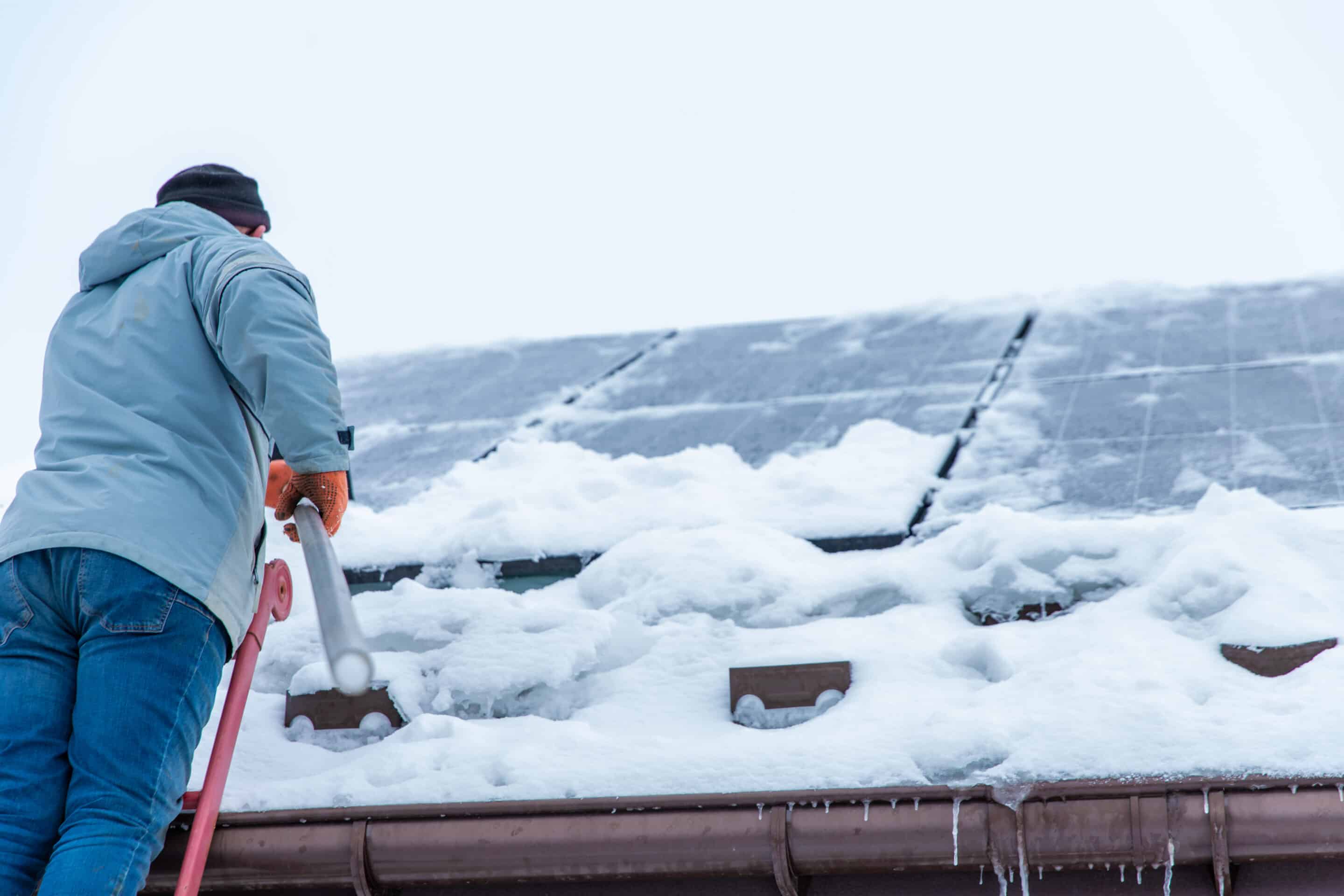
Ice dams occur when heat escapes through a poorly insulated or damaged roof, melting snow that then refreezes at the eaves. This creates a backup of water that can seep under shingles and into your attic or walls. By securing a roof replacement now, you ensure proper ventilation and shingle sealing that prevents these costly leaks before the freeze thaw cycle begins.
Shingle Adhesion and Thermal Sealing
Most modern asphalt shingles require a process called thermal sealing. This involves sun exposure and moderate temperatures to activate the adhesive strip that bonds shingles together. If you wait too long, the cold weather may prevent shingles from bonding correctly, making them brittle and susceptible to being blown off by high winter winds.
Financial Advantages to Replace the Roof Before Winter
Many homeowners worry about the cost of a new roof, but the financial burden of waiting until spring is often much greater due to potential collateral damage.
- Lower Energy Bills: An old roof with gaps or poor insulation allows heat to escape, driving up energy costs. A roof replacement creates a tight thermal envelope, significantly reducing your heating costs during the coldest months.
- Avoid Emergency Repair Rates: Finding a contractor in the middle of a blizzard or during a spring rain surge is difficult and expensive. It is much more cost effective to schedule your project during the fall than to pay for emergency leak mitigation in January.
- Preserving Property Value: For those looking to sell in the coming year, having a brand new roof documented before the winter season adds significant market appeal and reassures potential buyers that the home is move in ready.
Signs Your Home Needs a Roof Replacement Immediately
If you notice any of the following, you should prioritize the decision to replace the roof before winter:
- Curling or Cracked Shingles: A clear indication that the material has reached the end of its functional lifespan.
- Granules in the Gutters: A sign that the protective coating of your shingles is washing away, leaving the fiberglass mat exposed.
- Interior Water Stains: If you see brown spots on your ceiling or walls, your roof is already failing to keep out moisture.
- Sagging Roofline: This suggests serious structural damage or rot that may cause the roof to collapse under a heavy snow load.
Choosing a Professional Roofing Contractor
When it comes to your home’s safety, experience and expertise matter. A roof replacement is a complex engineering task that requires a licensed team that understands local building codes and weather patterns. At Summit Roof, we bring years of specialized knowledge to every project. Our crews are trained in seasonal installation techniques, ensuring your home remains a safe haven through the ice and snow. We prioritize transparency and the use of high quality materials, which are the hallmarks of a trustworthy service provider.
Localized Roofing Services for Winter Readiness
We specialize in helping homeowners across our service regions prepare for the harsh elements. Whether you are in a high wind zone or an area prone to heavy snowfall, our tailored solutions ensure your home is resilient. By choosing to replace the roof before winter, you are investing in peace of mind that lasts through every season.
Secure Your Home with a Fall Roof Replacement
Taking the initiative to replace the roof before winter is one of the most proactive steps you can take as a homeowner. By addressing vulnerabilities during the autumn months, you effectively eliminate the risk of sudden leaks, structural collapses from heavy snow, and the steady drain on your wallet from heat loss. A new roof does more than just shield your home; it provides a fresh start for the new year with improved energy efficiency and long term durability.
At Summit Roof, we are committed to providing the craftsmanship and high quality materials necessary to withstand even the harshest seasonal shifts. Don’t wait for the first winter storm to reveal a problem that could have been prevented. Contact our expert team today to schedule your inspection and ensure your roof replacement is completed with precision before the cold sets in.
Frequently Asked Questions (FAQs)
What is the best temperature for a roof replacement? Ideally, temperatures should be above 45 degrees Fahrenheit. This allows the asphalt shingles to remain flexible during installation and ensures the adhesive strips seal properly through solar heat activation.
Can you replace a roof in the winter? While it is technically possible, it is not recommended. Cold weather makes shingles brittle and prevents the self sealing strips from bonding immediately, which is why most experts advise you to replace the roof before winter starts.
How long does a typical roof replacement take? Most residential projects can be completed in one to three days. Scheduling in the fall ensures the weather is stable enough to finish the job without unexpected delays from snow or ice.
Will a new roof help with attic condensation? Yes. A modern roof replacement includes updated ridge vents and soffit ventilation. Proper airflow prevents moisture buildup, which is a leading cause of mold and wood rot during the winter months.
Is fall a busy time for roofing contractors? Yes, fall is the peak season because many homeowners realize the importance of winter readiness. It is best to book your consultation early to ensure your project is completed before the first frost hits.